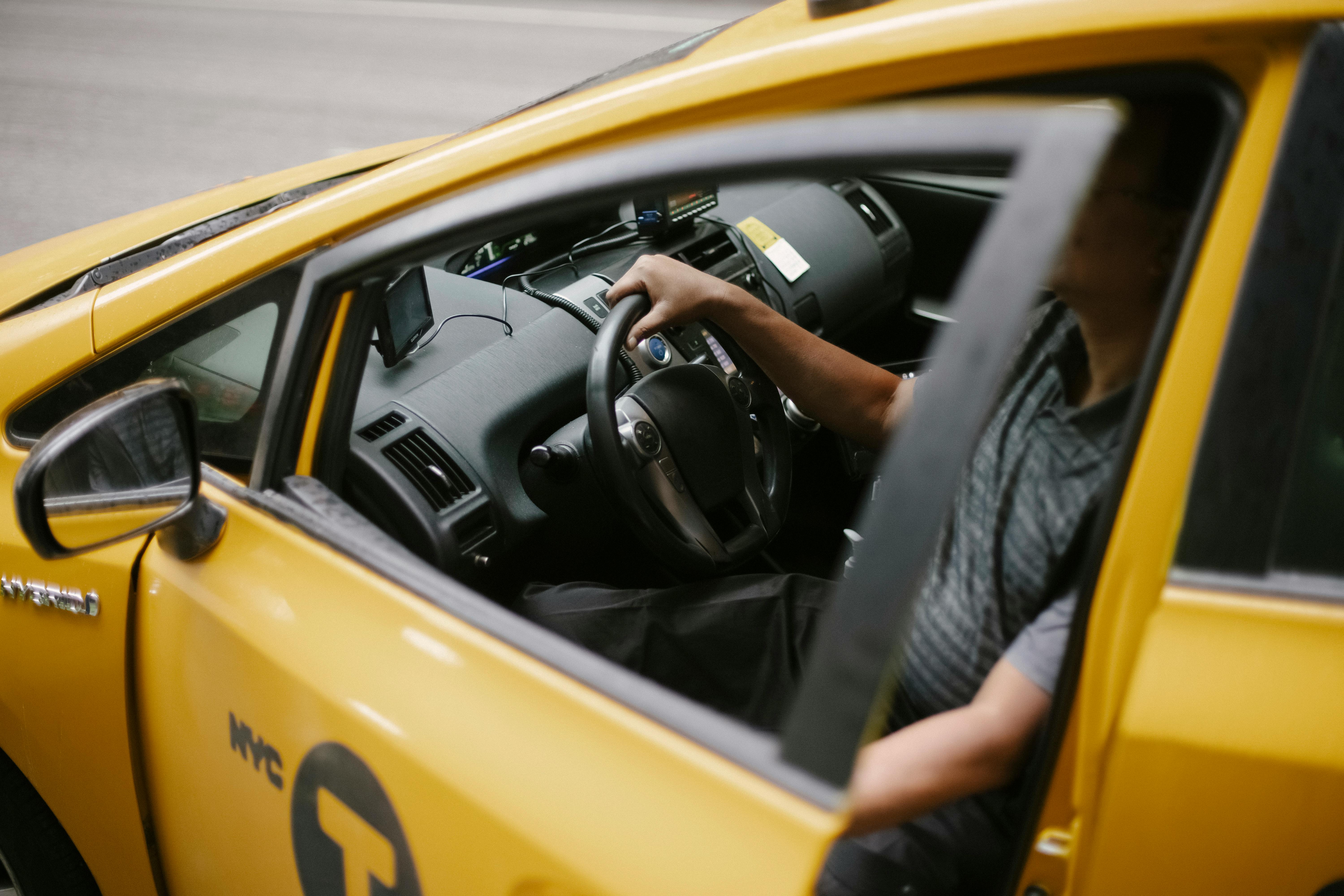
Photo by Thomas/Pexels
Taxi Cab Scams Growing at Airports
Police cited over 2,000 drivers for providing paid rides without a taxi or ride-for-hire license at JFK and LaGuardia airports in 2025, making up over half of all citations for the calendar year. Since 2019, citations for illegal rides have grown 35 percent.
In 2025, John F. Kennedy International and LaGuardia Airports welcomed 142.7 million passengers between the two airports, the second-busiest years ever, per Port Authority data. Thousands of them arrived or dpearted in an illegal taxi ride, according to New York City data.
An analysis of government data found over 2,000 drivers received citations for providing unlicensed rides at JFK and LGA, with over 1,732 citations filed at JFK alone. These citations make up over half of all citations delivered to unlicensed drivers providing rides for payment in New York City.
The data, however, only points to a fraction of illegal rides taking place at airports, taxi cab advocates share, and sometimes includes innocent bystanders who are not running scams.
For licensed drivers, the unregulated cabs hurt their business and duck city costs including licensing, insurance, inspections and taxes. For the unknowing passenger, unlicensed cabs are a safety risk, lacking background checks, proper identification and perhaps insurance.
The New Jersey Port Authority has allocated $100 million over the next 10 years to increase regulation and enforcement of unlicensed cab operations, but existing efforts continue to show cracks, casting doubts over if officials can protect cabs and their passengers.
State of Play
In New York, all rides-for-hire — including yellow cabs, vans, Ubers, Lyfts and other ride-hailing services — must be licensed with the Taxi and Limousine Commission. The licensing process is intensive, requiring drivers to be 19 years or older, hold a Social Security number, pass a medical exam and a drug test, in addition to completing a three-day course. Receiving a proper taxi certification can cost over $875 dollars based on posted costs from the TLC — and not counting the required insurance coverage drivers must hold — creating an uphill battle for individuals looking to operate vehicles for hire.
Becoming a taxi cab driver is particularly difficult due to the city’s medallion system that has a set cap of 13,500 drivers and years-long backlog for applications, if drivers can afford the medallion loans at all. And for Uber and Lyft drivers, working with a licensed app provider can cut into their take-home pay.
The result is a thriving illegal, unlicensed network of vehicles for hire, ranging from “dollar taxis” in Brooklyn and Queens to unlicensed WhatsApp-coordinated rides, to scammers at airports soliciting passengers in baggage claim areas.
In recent years, the city has created stricter measures to enforce unlicensed vehicle-for-hire operations. Under Local Law 32, passed in 2012, any driver who operates outside of their proper license (such as taxicab, coach, wheelchair accessible van, HAIL vehicle or for-hire vehicle) can face fines from $1,000 to $2,000 or imprisonment for 60 days, or both.
The law also empowers police officers who have probable cause that a vehicle is operating improperly to write a citation or seize the vehicle. The justification for these high citations — up from $200 for first offenders when the law was established in the 1980s — is that illegal cabs are tied to human trafficking efforts.
Airport Scams at JFK
TLC data from the past six years shows the highest rate of illegal taxi cab enforcement happening at John F. Kennedy Airport, in Jamaica, Queens.
JFK is New York’s busiest airport, with over 1,400 planes from domestic and international destinations approved to fly in or out of the airport in summer 2025 (compared to LaGuardia’s 1,140).
“It’s a bigger airport, which means more customers and more areas where shenanigans can take place,” said Matthew Daus, a lawyer and researcher at the City College's University Transportation Research Center.
Construction at the airport has created addit onal confusion about approved pickup and drop-off zones, creating new opportunities for scammers to take advantage of unknowing customers.
At JFK, “security personnel describe the operation as routine: the same faces appear day after day, circling the arrival areas, scanning for passengers to approach. When police show up, the drivers scatter, only to regroup minutes later once the coast is clear,” Daus wrote in a University Transportation Research Center report. “It is a cat-and-mouse game in which enforcement rarely seems to gain the upper hand.”
LaGuardia, on the other hand, has seen a decline in taxi cab scams, which could be tied to the airport’s reconstruction and re-zoning of ride-share and taxi pickup locations, Daus said. Daus worked as a consultant for the project.
New Enforcement Methods
In December, the New Jersey Port Authority announced a new enforcement campaign against scam taxis in its new budget. “Operation Legal Ride,” is a $100 million campaign over 10 years designed to root out scammer cabs who try to pick up passengers at airports.
The Port Authority will purchase new tech, including AI-powered license-plate readers and closed-circuit camera systems as well as the establishment of an expanded database of unlicensed drivers, funded by legal taxi and ride share fees collected from passengers at the airport, according to a press release.
Daus and others in the taxi industry argue that the Port Authority has been collecting fees for years that could have been allocated toward a scam-deterrant project like Operation Legal Ride, but “better late than never,” Daus said.
But enforcement methods have also left some motorists with, what they claim to be, undue citations.
A 2023 lawsuit filed on behalf of New Yorkers who had received citations from the Taxi and Limousine Commission at airports claims the TLC engages in predatory behaviors to collect money from unsuspecting drivers.